0-10V, 4-20mA, and PWM outputs in Home Assistant
 We've already published numerous articles on Home Assistant, and this week we're adding one more, since the latest version of the YoctoHub firmware introduces a new feature: control of the 0-10V, 4-20mA, and PWM outputs on our modules.
| No comment yet | Read more... |
Using HTTPS effectively to secure an IoT system
 Although the proliferation of connected devices in businesses, homes, and public spaces poses a growing security risk, traditional tools for mitigating this risk remain little known and are often misused. So today, we're offering a crash course on the basic concepts you'll need to ensure that your Yoctopuce-based system doesn't contribute to the proliferation of dangerous connected devices. Spoiler: you're going to have to learn how to manage certificates...
| No comment yet | Read more... |
A mobile electronic list
 Do you remember the Grocery List 2.0 - that little barcode scanner paired with a receipt printer that let you create your shopping list by scanning the items you needed to buy and then print it out right before heading out to the store? Believe it or not, 10 years later, I'm still using this system and am completely satisfied with it - well, almost...
| No comment yet | Read more... |
Physical VU meter for monitoring a computer
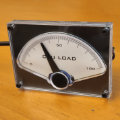 After 15 years of weekly posts, we're starting to have a hard time finding new, interesting topics. While looking for inspiration, we stumbled upon an old post from 2012 in which we'd built a physical VU meter to display CPU usage, and we figured there must be a simpler way to do it now.
| No comment yet | Read more... |
How to Display a QR Code
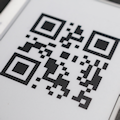 QR codes are often used for advertising purposes to share website addresses on posters or flyers. They can also convey other types of information, such as Wi-Fi settings, a vCard, or a GPS location. If you can generate them dynamically, you could even create a time-limited code, or a proof-of-time stamp... and that's where it gets really interesting.
| No comment yet | Read more... |
1 2 3 4 5 6 ... 10 ... 20 ... 30 ... 40 ... 50 ... 60 ... 70 ... 80 ... 90 ... 100 ... 110 ... 120 ... 130 ... 140 ... 150 ... 160