New: The Yocto-PowerRelayV2-C and the Yocto-PT100-C
 This week, Yoctopuce adds two new modules with USB-C connectivity to its catalog: the Yocto-PowerRelay-V2-C and the Yocto-PT100-C. Let's take a quick look...
| No comment yet | Read more... |
The new Yocto-Watt-V2 (with USB C)
 Today, we present a product that has been in gestation at Yoctopuce for over two years: the Yocto-Watt-V2-C. It took so long because we didn't just put a USB Type C connector on the Yocto-Watt. We've taken the opportunity to add some significant improvements to the product, making it an even more interesting measuring instrument than its predecessor.
| No comment yet | Read more... |
The Yocto-Relay and Yocto-IO-V2 in USB-C version are here
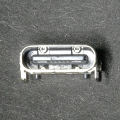 This week, Yoctopuce announces two new modules with USB-C connectivity, namely the Yocto-IO-V2-C and the Yocto-Relay-C, two handy little actuators when it comes to manipulating low-power electrical signals in a compact footprint.
| No comment yet | Read more... |
New! Yocto-Spectral & Yocto-Spectral-C
 Some years ago, we were tempted to develop a color sensor based on a simple RGB sensor chip, but the results didn't convince us. Today, we present the Yocto-Spectral and its USB Type-C version, the Yocto-Spectral-C, modules which can measure the light spectrum over 13 channels. Thanks to these measures, they can estimate RGB, HSL, XYZ, and OkLab values, and thus estimate the color seen by the sensor.
| No comment yet | Read more... |
Even more USB-C modules!
 The saga of the new USB-C modules continues. This week, Yoctopuce brings you four modules freshly converted to USB-C connectivity: the Yocto-Temperature-C, the Yocto-Bridge-C, the Yocto-RS232-C, and the Yocto-Buzzer-C. Let's take a closer look...
| No comment yet | Read more... |