Rechargeable batteries for autonomous systems
 One of the complex and recurring questions that we get is the use of rechargeable batteries to power autonomous measuring systems. Using a backup battery for smart phone provides an easy solution, but adequate models for this kind of use are not that frequent. Today, we present two alternatives that you can use in specific cases.
| No comment yet | Read more... |
New! the Yocto-I2C
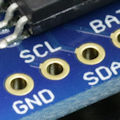 This week, we present you a new module which completes our range of electrical interfaces. The Yocto-I2C enables you to interface many quite useful small electrical circuits. We know that some of you were waiting for it impatiently...
| No comment yet | Read more... |
New: the Mini-Battery-Supervisor
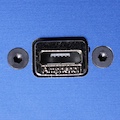 The newcomer in the Yoctopuce circuit family is the tiniest of all, and yet you could find it greatly useful. At first sight, the Mini-Battery-Supervisor looks like a simple USB connector that you can mount on a front panel, but it contains regulation and control electronics for an external power source. Let's see what it can do....
| No comment yet | Read more... |
USB cables: shielding matters as well...
 Six years ago, we wrote a post on the influence of the electric resistance of USB cables on the proper working of peripheral devices. Today, we are going to talk about a little-known related problem, which drove us to change our USB cable provider: the shielding of USB cables.
| No comment yet | Read more... |
Adding series to Yocto-Visualization
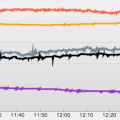 Customers have asked us several times why Yocto-Visualization offers only 4 data series per graph and whether it is possible to have more. The explanation is simple: we had to choose a limit, and a maximum of 4 seemed reasonable. Nevertheless, it's rather easy to modify the application to have more series, and this week we show you how to do so.
| No comment yet | Read more... |